Khwaja Garib Nawaz Photo and Respectful Shrine Image Guidance
Khwaja Garib Nawaz photo searches are common among people who feel love and respect for Hazrat Khwaja Garib Nawaz (R.A.). Many visitors want a meaningful image for personal remembrance, a blog post, social media, or a family dua message. It is important to understand which visuals are genuine photographs of Ajmer Sharif Dargah, which are old shrine images, and which are artistic depictions created later with respect.
Hazrat Khwaja Moinuddin Chishti (R.A.) lived centuries before photography began. For this reason, no verified camera photograph from his lifetime exists. Images showing his face are usually paintings, digital artwork, posters, or devotional illustrations. They should be shared honestly as artistic representations, not as an original historical portrait.
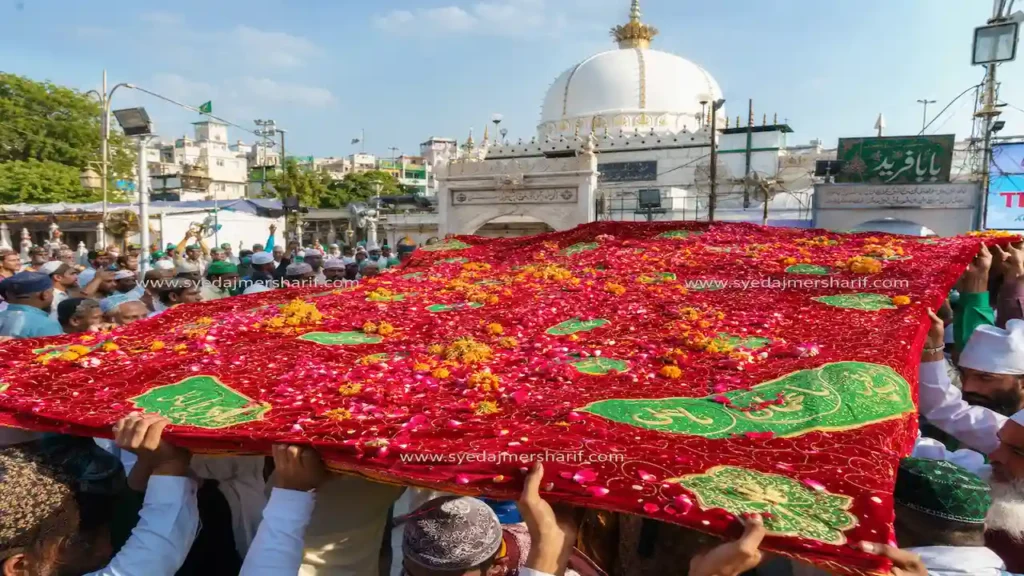
The most authentic visual connection for many people is the sacred shrine in Ajmer. A clear photograph of the white dome, entrance, courtyard, Jannati Darwaza area, or Mehfil Khana can help visitors understand the atmosphere of the place without making unsupported claims about the appearance of the revered saint.
Understanding Khwaja Garib Nawaz Photo Searches Respectfully
People use this search phrase for different reasons. Some want a wallpaper for their phone, while others need a suitable visual for a religious article. A few may be planning a first journey to Ajmer and wish to recognise the shrine before they arrive. A helpful page should respect all these intentions while keeping facts clear.
When selecting a visual, look first for a clean and respectful photograph of Ajmer Sharif Dargah. The marble structure, dome, gates, lamps, flowers, and surrounding lanes can all be used to represent the spiritual connection people feel with Hazrat Khwaja Garib Nawaz (R.A.).
Artwork can also be meaningful when it is labelled properly. A painting or illustration should carry a simple description such as “devotional artwork” or “artistic representation.” This avoids confusing readers and shows respect for both history and faith.
Choosing Real Shrine Images for a Website
A good shrine image should be sharp, balanced, and easy to understand. It should not use excessive filters, unrelated religious symbols, misleading text, or altered architecture. A natural view of the dome or courtyard often works better than a crowded design with too many effects.
For website use, choose images that match the page subject. A history article can use an older view of the complex, a location page can show the entrance route, and a ziyarat guide can show a calm exterior scene. Clear visual relevance helps readers trust the information on the page.
Ajmer Dargah history gives visitors useful background for understanding why the shrine is important. Rajasthan Tourism describes it as a 13th-century Sufi shrine housing the maqbara of Hazrat Khwaja Moinuddin Chishti (R.A.), with well-known gates and traditional degs as part of the site’s identity.
For families planning a visit, a current image can be more useful than an old one. It may show the usual surroundings, marble pathways, or the scale of the main entrance. Still, a picture should never be used to promise a particular crowd level, entry route, or arrangement because conditions can change.

Respectful Sharing on Social Media
Before uploading a shrine image, make sure it belongs to you or that you have permission to use it. Adding a credit where appropriate is good practice. Do not remove another creator’s watermark, crop out their name, or present their work as your own.
Avoid adding sensational captions that promise guaranteed outcomes through a picture. A respectful post can simply include salaam, a brief dua, or a factual description of the visual. Faith should never be used to create pressure, fear, or false expectations.
A shrine image becomes more meaningful when it is shared with good intention. It may remind someone to make dua, plan a journey, or learn about the teachings of kindness and service associated with Hazrat Khwaja Garib Nawaz (R.A.).


Guidance for a Visit and Personal Use
For spiritual guidance, some visitors seek information connected with gaddi nasheen Syed Fakhar Nawaz Chishti. Questions should be asked with respect, and practical details should always be confirmed before travel.
Ajmer dargah khadims may help visitors understand local etiquette, entry movement, and customary practices. Speak politely, remain patient in crowded areas, and avoid relying on people who create unnecessary pressure.
The Dargah WhatsApp number is +918529671277 for general guidance relating to a planned journey, family dua, or visit enquiry. Use verified contact details, and never share private documents, passwords, bank codes, or other sensitive information in an unknown message.
Many people who cannot travel search for ajmer sharif online donation options. Any contribution should be voluntary, understood clearly, and sent only through a verified method. Keep a receipt or confirmation for your own record.

People sometimes ask about ajmer sharif dargah chadar price before making travel arrangements. The amount can differ according to fabric, size, and the kind of arrangement requested, so it is better to confirm the current information directly.
The badi deg ajmer sharif dargah is associated with communal food preparation and sharing. It is a reminder that serving people has an important place in the spiritual culture around the shrine.
An offering may be flowers, a chadar, food service, or a quiet personal dua. What matters most is sincerity and staying within your comfort and ability.
Nazrana should always be voluntary. It should not be treated as a payment for blessings or as a guarantee that a personal wish will be fulfilled.
For many pilgrims, ziyarat is a peaceful time to offer salaam, make dua, and reflect quietly. Modest dress, patience, and consideration for others help protect the dignity of the surroundings.
The badi choti deg tradition refers to the two recognised cooking vessels connected with food distribution. Ask locally about the current process if you wish to participate, as arrangements can vary during busy periods.
Darshan may be brief when there are long queues. Prepare your dua before reaching the main area, avoid pushing, and allow elderly visitors and families space to move comfortably.
The ajmer urs festival date follows the Islamic lunar calendar, so its corresponding date changes each year. Confirm official announcements before booking travel, as the shrine area becomes especially busy during Urs.
A voluntary donation can support a stated service or arrangement when handled through a trusted source. Never send money because of threats, claims of guaranteed results, or rushed messages.
Ajmer is in Rajasthan, and the shrine neighbourhood has narrow, active lanes. The local address for guidance is Zia House, Opp. Gate No. 4, Khadim Mohalla, Dargah Sharif, Diggi Bazaar, Ajmer, Rajasthan 305001, India.
For Contact about travel, chadar arrangements, or a family dua, explain your purpose clearly. A simple and complete enquiry usually receives better guidance than a vague message.
The Dargah Khwaja garib nawaz contact number for verified visit support is +91 85296 71277. Use this number carefully for genuine questions, not for sharing personal financial details.
Dargah timings may change with the season, religious occasions, security arrangements, and crowd conditions. Check close to the day of travel rather than depending on an old social media post.
A Better Way to Honour the Search
The most respectful way to use shrine visuals is to keep them truthful. Use real photographs of Ajmer Sharif Dargah when describing the place itself. Use artwork only when it is clearly described as artwork. This simple distinction protects the historical truth while allowing people to express devotion with dignity.
A good image should encourage respect, learning, and remembrance. Whether it is placed on a website, shared with family, or kept privately, its value lies in the sincere feeling it carries and the care with which it is used.