Ajmer Sharif Deg Booking Cost Capacity And History
The sacred tradition of ajmer sharif deg booking cost capacity and history is deeply connected with the blessings of Hazrat Khwaja Moinuddin Chishti (R.A.), also known as Hazrat Khwaja Garib Nawaz (R.A.). Every year, thousands of devotees visit the shrine for ziyarat and darshan, and many take part in the special offering of Deg as a form of gratitude and prayer.
This practice is not only about food preparation. It is a spiritual act where devotees present their nazrana and take part in serving humanity through daily langar. Those who cannot visit personally can still participate through the ajmer sharif website, where complete guidance is available.
History of Deg Tradition at the Shrine
The ritual of sacred cauldron offering goes back many centuries. It began during the Mughal period when Emperor Akbar visited the shrine after his prayers were fulfilled. As a mark of respect and gratitude, he presented a large cooking vessel known as Badi Deg.
Later, Emperor Jahangir added another vessel called Choti Deg. Since then, this practice has continued without any break. The food prepared in these large cauldron is distributed among people as a blessing, showing equality and unity.
This practice reflects the teachings of Hazrat Khwaja Garib Nawaz (R.A.), who always emphasized love, service, and feeding others. Even today, during special days like monthly chatti sharif and Urs, this tradition becomes even more meaningful.
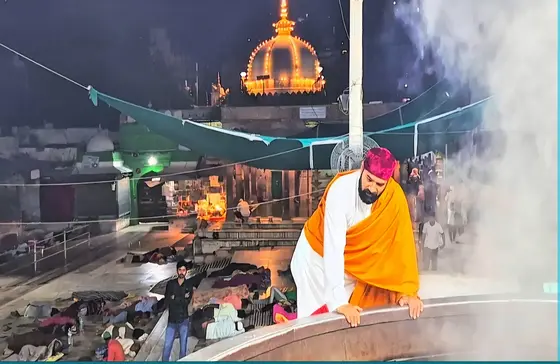
Ajmer Sharif Deg Booking Cost Capacity History Details
Understanding the ajmer sharif deg booking cost capacity and history helps devotees plan their offering properly.
Big Cooking Vessel
- Capacity: Around 4800 to 5000 kg food
- Measurement: Approximately 120 mann / 45 quintal
- Estimated cost: ₹80,000 to ₹1,51,000 depending on ingredients
Traditional Small Cauldron
- Capacity: Around 2400 kg food
- Measurement: Approximately 60 mann / 24 quintal
- Estimated cost: ₹75,000 to ₹80,000
Both cauldron are used to prepare sweet rice, also known as zarda. This food is shared among visitors as part of langar, where everyone eats together without any difference.

Ingredients Used in cooking vessel Niyaz
The preparation of large cauldron is simple but full of blessings. Only vegetarian ingredients are used so that visitors of all backgrounds can take part.
Common ingredients include:
- Rice
- Ghee
- Sugar
- Saffron
- Dry fruits like almonds, cashews, pistachios
- Raisins
These ingredients are cooked together and offered with prayer. After that, the food becomes tabarruk, which people receive with respect.
Spiritual Meaning of Pot Offering
Offering Pot is not just a ritual. It carries a deep meaning. devotees offer it for many reasons:
- To fulfill a personal wish
- To express gratitude after success
- To pray for family members
- To seek peace during difficult times
When the traditional cauldron is prepared, dua is made by Khadims, and blessings are given for the person who made the offering. This is why many pilgrims feel a strong connection after participating in this custom.

The complete process of Pot offering is managed with care and respect. The Khadims guide every step, from preparation to distribution.
The work is done under the guidance of Gaddi Nasheen Syed Fakhar Nawaz Chishti, through whom all offerings are arranged properly. Whatever you contribute is handled with sincerity, and special prayers are made for you throughout the year.
They help with:
- Arranging Karahi preparation
- Performing fateha and dua
- Guiding visitors during ziyarat
- Organizing chadar and other offerings
This system ensures that traditions remain authentic and meaningful.
How to Book Deg Online or From Distance
Many devotees cannot travel but still want to be part of this sacred practice. For them, booking can be done easily.
You can:
- Contact through WhatsApp dargah contact
- Visit the ajmer sharif website
- Speak directly with Khadim sahab
Your sacred cauldron can be arranged in your presence or on your behalf. After completion, prayers are offered in your name.
Contribution and Payment Options
For those who wish to contribute, different options are available.
India Donation and Nazrana Account
Bank Name: HDFC Bank
Account Number: 50100755673925
Name: Syed Fakhar Nawaz Chishti
International Donation Account
Account Number: 50100755673912
IFSC: HDFC0000205
Branch: Ajmer, Rajasthan
You can also use:
- Paytm
- PhonePe
- PayPal
- Stripe
All facilities are available through the official website where Khadim sahab provides guidance.
Karahi and Daily Langar System
The Karahi is closely connected with the daily langar system. Food prepared in cooking vessel is shared among thousands of devotees every day.
This tradition shows:
- Equality among people
- Service to humanity
- Blessings through sharing
No one is turned away, and everyone receives food with respect. This is one of the most beautiful parts of the shrine.
Special Days for Pot Offering
Although Pot can be offered anytime, some days are considered more special:
- Monthly Chatti Sharif
- Urs Sharif
- Fridays
- Personal important days
During these times, the atmosphere becomes more spiritual, and many devotees choose to offer large cauldron along with chadar cost offerings.
Karahi Loot Tradition
One unique part of this practice is known as Karahi loot. After cooking is complete, people gather around the sacred cauldron and take small portions of the food.
This is not disorder. It is a traditional way of receiving blessings. Devotees believe that taking this food brings peace and positivity into their lives.
Importance of Ziyarat and Roshni Dua
While visiting the shrine, pilgrims also take part in ziyarat, attend roshni dua, and spend time in prayer.
These moments help:
- Calm the mind
- Strengthen faith
- Bring inner peace
Many people combine their cooking vessel offering with ziyarat to make the experience complete.
Why This Tradition Still Matters Today
Even after centuries, the langar custom continues because it represents something simple yet powerful.
It teaches:
- Giving without expecting
- Feeding others with love
- Staying connected with spirituality
From kings to common people, everyone has taken part in this practice. Today, it still holds the same value.
The ritual of Karahi at the shrine of Hazrat Khwaja Moinuddin Chishti (R.A.) is a living example of service and devotion. Whether you visit in person or contribute from far, your offering becomes part of a system that feeds devotees and spreads blessings.
Through proper guidance, your participation becomes meaningful, and prayers are made for your well-being throughout the year.
For complete details, guidance, and support, you can always visit:
https://www.syedajmersharif.com/
Contact: +91 85296 71277