Ajmer Dargah Timings Ziyarat Darshan Offerings Visitor Guide
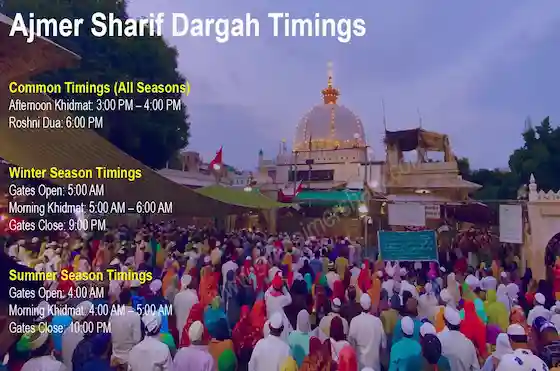
Many people search for ajmer dargah timings ziyarat darshan offerings because they want clear help before visiting the blessed shrine of Hazrat Khwaja Moinuddin Chishti (R.A.). Search results show strong visitor interest around opening hours, seasonal timing changes, roshni dua, chadar, langar, and the right way to plan a respectful visit. Current pages commonly mention winter opening around 5:00 AM to 9:00 PM, summer opening around 4:00 AM to 10:00 PM, and daily rituals such as khidmat and evening roshni dua.
The reason this topic matters so much is simple. People are not only looking for a time table. They want to know when to come for peaceful ziyarat, when darshan feels easier, how offerings are made, and what they should do once they enter. Many top pages answer parts of this, but they often leave visitors with scattered details. This guide brings the main points together in simple English so the visit feels easier to understand.
For many families, the journey begins online. They check the ajmer sharif dargah official website, look for trusted timing details, and try to understand what happens at different hours of the day. This is especially important for first-time visitors, elderly devotees, and people travelling from far away who want a calm and organized visit.
Ajmer Dargah Timings Ziyarat Darshan Offerings in Daily Routine
The daily routine of the shrine follows a spiritual rhythm. Most widely listed timing pages say the gates usually open earlier in summer and slightly later in winter. The common timing shown across current pages is about 4:00 AM to 10:00 PM in summer and 5:00 AM to 9:00 PM in winter, though exact movement can feel different on very busy days, prayer times, and special occasions.

Early morning is often the most peaceful time for a visit. It is quieter, the air feels calmer, and many devotees feel more focused in prayer. Some timing pages also mention a morning khidmat period connected with opening rituals and preparation of the blessed area before general movement becomes heavier. Afternoon khidmat is also commonly listed, usually around the middle of the day, when certain rituals and arrangements take place.
Evening is another special time because of roshni dua. Current pages consistently describe this as an important lighting ceremony held close to Maghrib, often around 6 PM though the exact minute can move with the prayer schedule and season. This is one of the most searched parts of the daily programme because many visitors want to witness the spiritual atmosphere at that time.
If someone asks for the best time to visit, weekday mornings are usually calmer, while Thursdays, Fridays, and Urs days bring a stronger devotional atmosphere with bigger crowds. Pages focused on visitor planning also describe early morning and evening as the most meaningful times for a peaceful experience.
How Ziyarat and Darshan Usually Feel Inside the Shrine
A visit here is not like a normal tourist stop. People come with hope, adab, and dua in their hearts. Some come to offer thanks. Some come with a personal prayer. Some simply want to stand near the blessed resting place of hazrat khwaja garib nawaz r.a and feel spiritual peace.
When people speak about ziyarat and darshan, they usually mean more than just seeing the place. They want to be present respectfully, make dua, and feel connected to the teachings of Hazrat Khwaja Moinuddin Chishti (R.A.). That is why timing matters. A person who reaches in a calm hour often finds the experience more focused and less rushed.
Visitors should enter with modest dress and a covered head. Travel and tourism guides commonly advise loose and respectful clothing, head covering for both men and women, and quiet behavior inside the complex. Shoes are removed before entering the sacred area.

Roshni Dua, Chatti Sharif and Other Devotional Moments
Among the most meaningful daily observances is roshni dua, the evening lighting ceremony that many devotees wait to witness. It adds a deep emotional feeling to the visit because the environment changes from daytime movement to a softer and more reflective setting. People who want a spiritually rich visit often plan around this hour.
Another searched term is chatti sharif, which many devotees look up when they want to understand monthly devotional observances linked with the shrine. People often search these words together with timing questions because they want to know the right day and the right way to participate.
There is also regular interest in daily langar and badi deg ajmer. These are not only practical arrangements. They are part of the long tradition of service, feeding people, and sharing blessings. Devotees who want to contribute often ask about food service, niyaz, and the proper way to arrange an offering respectfully.
Chadar Cost Offerings, Nazrana and Contribution Guidance
A common question from visitors is about chadar cost offerings. People want to know what they can bring, how to present it, and whether arrangements can be made in advance. The most important thing is not the size of the offering but the respect and intention behind it.
Some devotees choose flowers. Some choose chadar. Some choose food service. Some send nazrana, gifted money, or support for nazruraat when they cannot travel in person. Search results around this topic often include queries such as how to donate money to ajmer dargah, langar contribution, and deg booking guidance.
For people seeking trusted help, guidance is often taken through the gaddi nasheen of ajmer sharif and the official support channel connected with shrine-related arrangements. In simple words, whatever a person contributes for chadar, deg, langar, or other respectful service is handled through the proper guidance route, and devotees value this because regular dua and spiritual help are made for them throughout the year. This human connection is one reason many people keep returning with faith.
Before leaving home, it is wise to check the season, expected crowd, and preferred hour of arrival. If someone wants peaceful movement, early morning is often better. If someone wants to witness a devotional atmosphere, evening and special observance times may feel more meaningful.
For support related to ziyarat, darshan, offerings, langar, or general planning, many current pages point visitors toward this contact route: ajmer dargah contact +91 85296 71277. The same pages also connect this help with chadar, deg, mannat, and visitor guidance.
In the end, this sacred place is remembered not only because of its history, but because of what people feel there. A simple visit can become a lasting memory. That is why so many people search for timing details before they go. They want to arrive at the right hour, make their dua with peace, and return with comfort in the heart.